

Stay Informed
Receive updates on research, documentation, and international advocacy on efforts regarding Germany’s debt to Greece.
By subscribing, you agree to our Privacy Policy.
News
Our Unacceptable Frivolity, the Road to Extinction, and the Untapped Help of the Greek Diaspora
Professor Maria Negreponti-Delivani condemns Greece’s decades-long failure to pursue Germany firmly for the occupation debt and war reparations. She argues that the worldwide Greek diaspora—deeply attached to Greece and willing to help—remains an immense but underused force that should be mobilized in support of the country’s lawful claims.
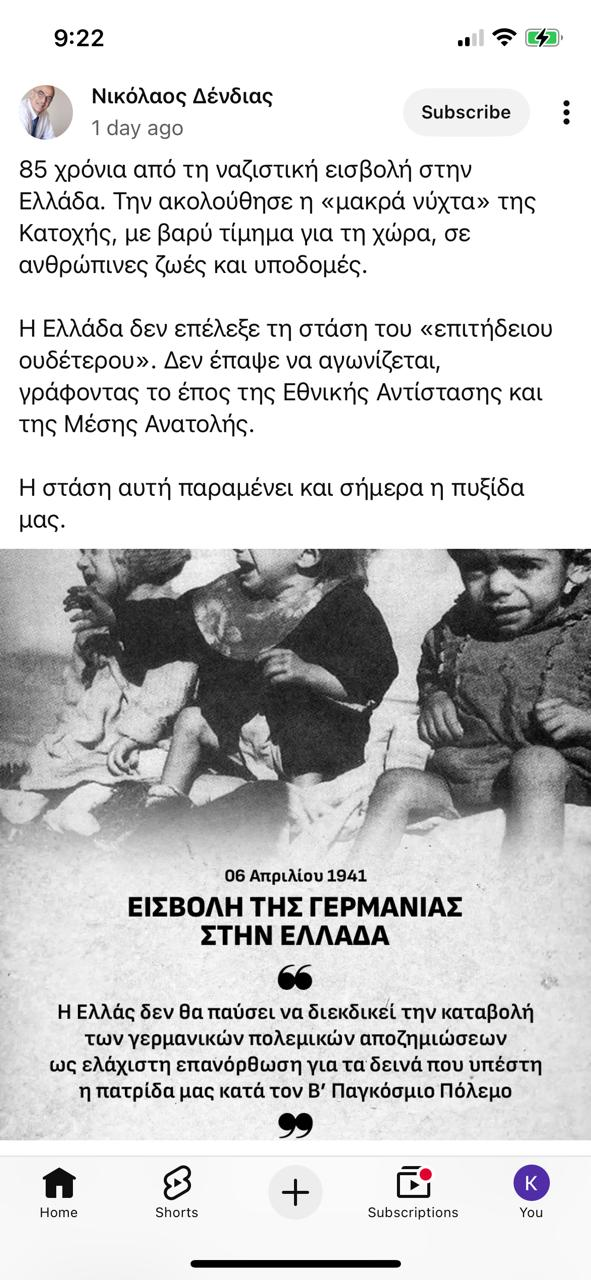
In a commemorative statement on the German invasion of Greece, Nikos Dendias makes explicit reference to the country’s ongoing claim for German war reparations. The mention is noteworthy given the government’s general reluctance to foreground the issue in recent years. While framed symbolically, it suggests that the reparations question continues to carry political weight—despite the absence of any clear policy initiative behind it.
German economic historian Albrecht Ritschl bluntly describes the Nazi-imposed occupation loan from Greece as a forced extraction of resources that was never repaid and was likely never intended to be, inflicting deep economic damage while leaving Greece’s legitimate debt claims buried by postwar politics and legal maneuvering.
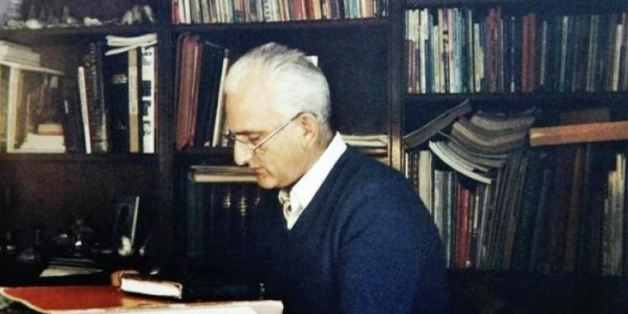
He is the Great grandson of Giorgos Kapodistrias youngest brother of Ioannis Kapodistrias first governor of liberated Greece.
In addition to Greece, Nigeria, Cambodia, Thailand, Peru and Algeria — and now Egypt — Canada is also at the center of discussions about the return of cultural objects, mainly of indigenous peoples but also foreign antiquities located in major museums such as the Royal Ontario Museum and the Canadian Museum of History.
The immensity of looted cultural items is confounding.
- https://www.asiae.co.kr/article/2025122717474374550
- Greek Massacre Heirs Demand German War Reparations – From Greek City Times | December 2, 2025
- African nations move unified reparations claim against Britain.
- German Reparations: “Extrajudicial notice to the Ministry of Justice for the execution of the 1997 decision” | Ethnos
- https:/www.kathimerini.gr/society/dikastiko/563950075/germanikes-apozimioseis-exodiko-sto-ypoyrgeio-dikaiosnynis-gia-ektelesi-tis-apofasis-toy-1997/
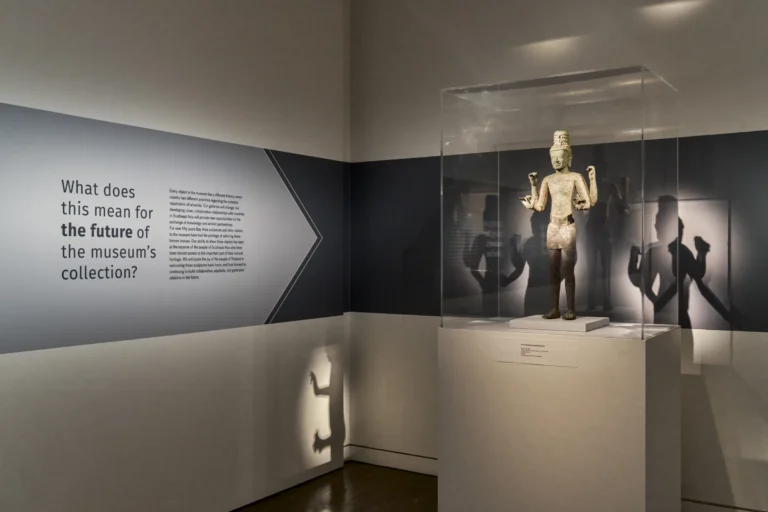
“Thailand has pursued its stolen relics swiftly and forcefully, using criminal investigations, cooperation with U.S. Homeland Security, and clear evidence tied to modern trafficking networks—pressing museums directly and achieving rapid returns once proof surfaced in contrast to Greece which moves at a snail’s pace through long, sustained diplomatic and legal campaigns, often spanning decades. With not much to show for it.”