English Translation
A tobacco leaf from Drama was once more valuable than Greek gold. It was called basma: a small leaf with an extraordinary aroma, grown only in Drama, Kavala, Serres, and Xanthi. In 1929, tobacco accounted for 56 percent of all Greek exports—more than half.
Basma does not need machines; it needs hands. A single stremma requires more than 150 hours of labor, leaf by leaf, by hand, under the sun. The refugees of the population exchange—many of them Greek survivors of the genocide and persecution in Ottoman Turkey and Asia Minor—received a few stremmata each, and from those small plots they generated foreign exchange for an entire country.
The tobacco then made its way down to Kavala. The city filled with warehouses like fortresses, while merchants built mansions. Inside those warehouses, however, the ceilings were low and there were very few windows. They were opened as little as possible to keep the tobacco leaves from drying out. There was one toilet for each floor. Thousands of people breathed tobacco dust in the darkness; tuberculosis took a terrible toll, and work lasted only from spring until autumn. In winter, there was nothing.
Then came the crash. Prices collapsed, and Greece defaulted in 1932. At that point, the only buyer left appeared: Germany. But Germany had no gold either. Hjalmar Schacht, president of the Reichsbank, established a system under which Germany paid with marks held in restricted accounts. The money could be spent on only one thing: German products.
Greece had no choice. It either sold its tobacco under these terms or watched it rot in the warehouses.
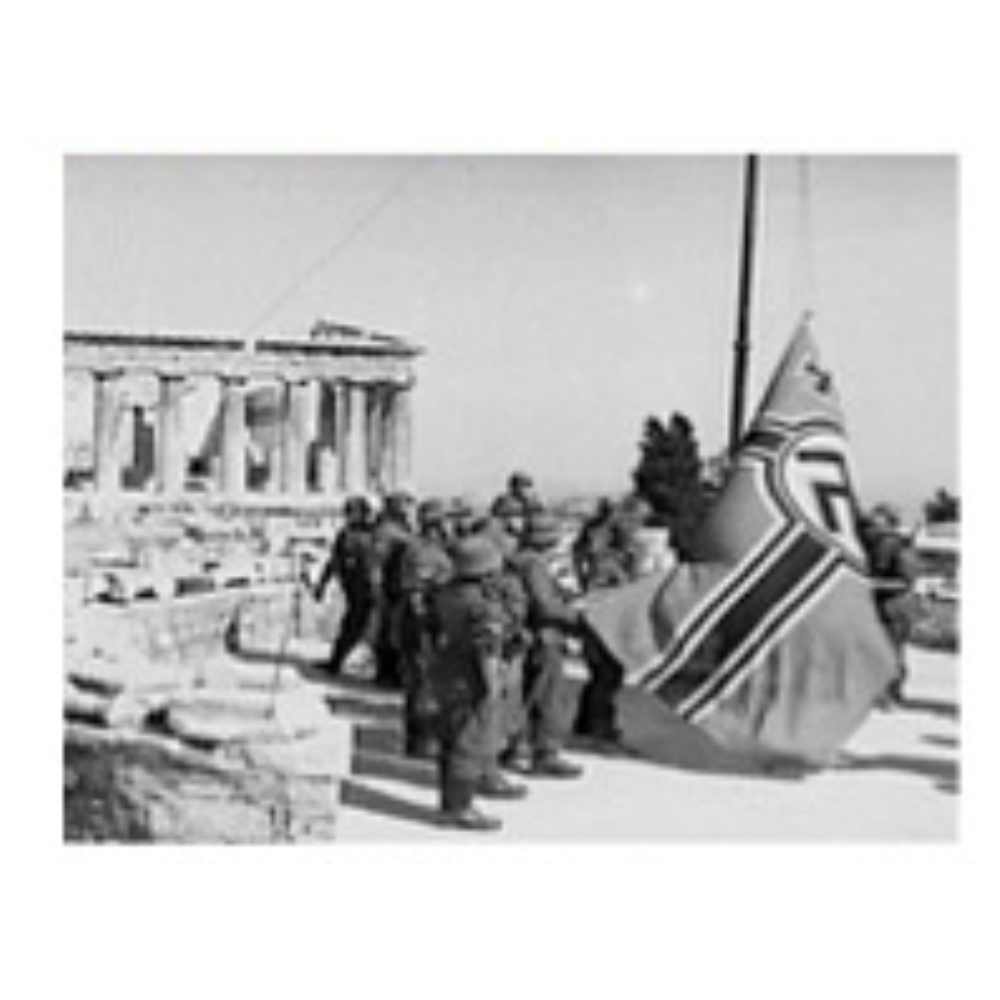
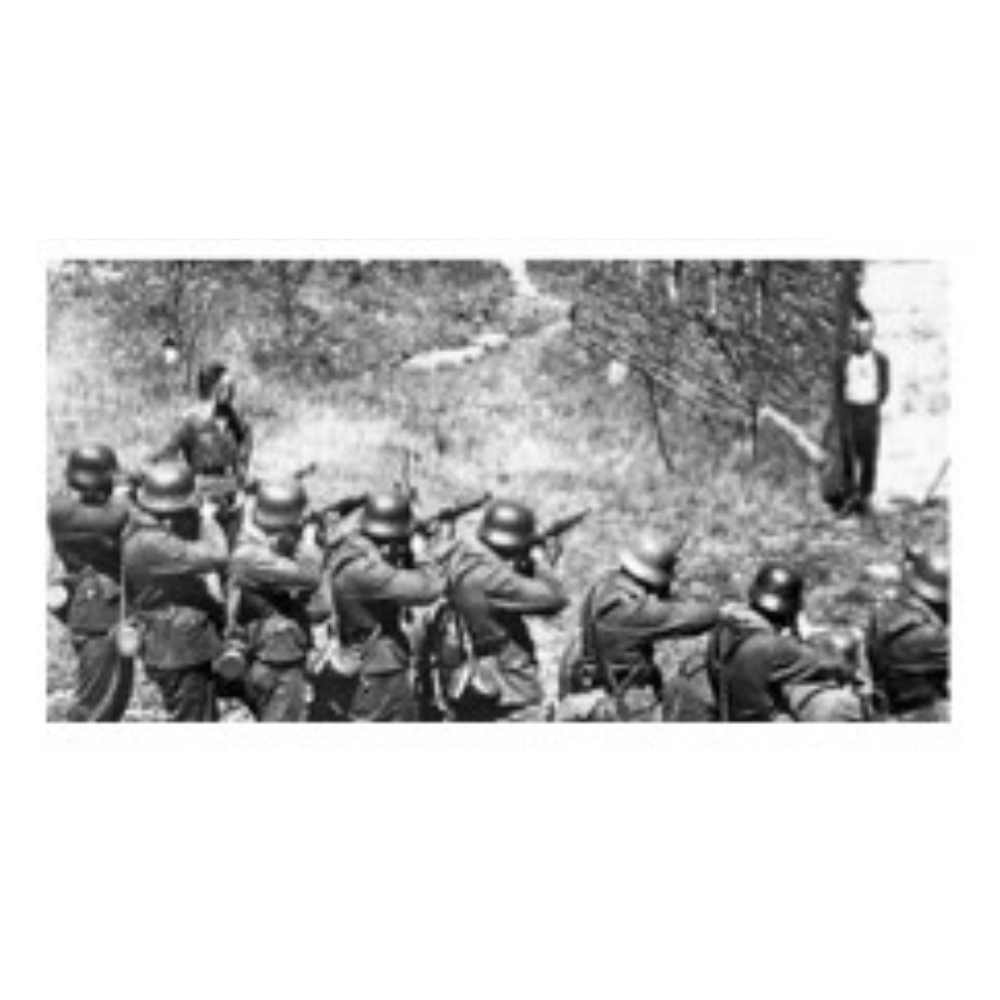
In April 1941, only days after the German invasion, the occupation authorities moved quickly to seize the entire tobacco crop. Clearing arrangements were no longer necessary. They took it without payment. Compensation was still being discussed well into the 1960s.
And yet tobacco survived. In 1954, it still provided half of Greece’s export earnings.
The end came much later—and without an army. In 2006, the European Union decoupled agricultural subsidies from production. Farmers could receive the same payments without planting tobacco. The time came when a producer in Drama who had once cultivated 350 stremmata left his fields empty for the first time in his entire life.
Europe continues to buy tobacco—just not from us.
Did we lose a product, or did we give it away?
English translation of the Greek narration. The original video contains Greek-language narration and captions.